If you’re coaching soccer in the United States—or you’re about to start—one question comes up fast: “Which coaching license do I need?” The answer depends on where you coach (club, high school, recreational) and how far you want to go (youth development, college, pro environments).
We've created this guide to focus in detail on the main U.S. Soccer Federation (U.S. Soccer / USSF) coaching license pathway, from Grassroots all the way to the Pro License. We’ll also briefly cover the other common U.S. coaching education tracks and how to choose the right one for your situation.
Main pathway: U.S. Soccer Coaching Licenses (Grassroots to Pro)
For many coaches in the U.S.—especially those in youth clubs and competitive settings—the most recognized “ladder” is the U.S. Soccer coaching license pathway. Think of it as a progression where each step adds structure, depth, and expectations around how you design sessions, coach games, lead a team, and develop players over time.
Here is an overview of the U.S. Soccer coaching licenses pathway:

What’s typically included across U.S. Soccer courses
Before we even talk about levels, it’s helpful to know what U.S. Soccer coaching education commonly bundles around the courses themselves. Depending on the level and course host, you’ll often see requirements and components such as:
- Background screening
- SafeSport training
- An introduction to safe and healthy playing environments
- Reading and acceptance of a Code of Conduct
- Access to additional “supplemental education” options (examples often mentioned include specialty areas like goalkeeping, director/leadership tracks, and scouting/talent identification)
U.S. Soccer doesn’t treat coaching as just "tactics" or "drills". It treats coaching as leadership, safety, environment, and long-term development.
If you don’t have time to dive into each license level right now, here’s a quick side-by-side table that compares the full pathway at a glance—name, typical cost, time commitment, and what each step is really for.
| Pathway Step (Name) | Typical Cost (USD) | Typical Duration | One-Sentence Summary |
|---|---|---|---|
| Grassroots – Online Introduction | $0 | ~20 minutes (online) | A quick foundation on youth coaching basics like safety, environment, and core principles. |
| Grassroots – 4v4 / 7v7 / 9v9 / 11v11 Courses | ~$25 per course | ~2 hours per course | Game-format courses that teach you how to coach what the match demands at each stage. |
| D License | $300–$550 | ~9 weeks | The first major step with mentoring and assignments, often centered on coaching U6–U12. |
| C License | $1,500–$2,000 | ~4 months | Builds core concepts and planning depth, commonly focused around U13–U17 and better feedback/observation. |
| B License | $1,300–$3,000 | Not clearly fixed (blended format + weekly workload) | Introduces “performance environment” expectations (11v11 access, club role, ongoing development work). |
| A License – A-Youth | $2,000–$3,500 | ~10 months | Advanced youth development track with projects, guest speakers, assessments, and heavy instructor support. |
| A License – A-Senior | ~$3,500 | ~10 months | High-performance senior/college-focused track with a demanding virtual rhythm and expert seminars. |
| Pro License | ~$10,000 | ~12 months | The top level for pro environments, including onsite visits, intensive in-person blocks, and a final evaluation. |
1) Grassroots Pathway: the foundation
Grassroots is the modern entry point. It’s designed to help coaches build strong basics quickly—especially for youth ages where learning, enjoyment, and engagement matter most.
Step 1: The online introduction (short and accessible)
The Grassroots pathway commonly begins with a free, short online introduction (often described as around 20 minutes). The purpose is to align coaches on what good youth coaching should look like: safe environment, age-appropriate expectations, and learning through play.
Step 2: Small-sided game format courses (4v4, 7v7, 9v9, 11v11)
After the intro, the pathway moves into small-sided courses organized by game format: 4v4, 7v7, 9v9 and 11v11.

These courses are often described as about two hours, and they may be offered online or in-person. A key detail frequently mentioned: at least two of the Grassroots courses must be taken in person (even if several are available online).
Why the game-format structure matters (the coaching logic)
U.S. Soccer uses these formats because the game changes dramatically as players get older:
- 4v4: constant touches, lots of dribbling and 1v1, simple objectives, high engagement
- 7v7: beginning of width/depth ideas, basic team shape, more passing decisions
- 9v9: more positional reference points, transition moments become clearer, players start reading the game
- 11v11: full complexity—space management, units working together, tactical cues, role clarity
“What does the game look like at this age and format, and what should players learn next?”
Costs (typical ranges)
A commonly cited figure is that each small-sided Grassroots course costs around $25 (with the important note that fees can change depending on updates).
Notes for coaches with older licenses (legacy transitions)
If you’ve been around a while, you may hear references to older “E” or “F” licenses. Under modern structures, coaches who held older licenses have sometimes been asked to complete parts of the Grassroots intro and/or additional in-person Grassroots courses to progress.
2) D License: the first major step
Once you’ve built the Grassroots foundation, the next step many coaches target is the D License. This is where coaching education becomes more structured, with a longer timeline, more mentorship, and stronger expectations around planning, observation, and reflection.
Typical prerequisites for D
A common requirement described for D is:
- At least two in-person Grassroots courses
- Plus an online license (within the Grassroots set)
(Exact prerequisites can vary by updates and course hosts, but the spirit is consistent: you need both online learning and in-person education experience.)
How the D License is commonly structured
The D License is often described as a multi-week experience (frequently around nine weeks), with:
- Multiple in-person meetings (commonly described as four in-person course days/meetings across the duration)
- Assignments and mentoring
- Virtual meetings
- Individual meetings with a coach educator
- Investigation/research tasks
Depending on where you live, you may or may not need to travel.
Age focus and training focus
The D License is commonly described as focusing on training design and coaching for the U-6 to U-12 age range, including both:
- small-sided activities
- elements that prepare you for more full-field concepts later on
“Six Tasks of a Coach” (a core framework)
A major concept often attached to the D License is U.S. Soccer’s idea of the Six Tasks of a Coach:
- Coaching games
- Coaching training sessions
- Leading the team
- Leading the players
- Managing the performance environment
- Communicating with players and families
This is important because it expands the coaching definition. You’re not only “running drills.” You’re building an environment where players learn, feel safe, and improve.
D license cost (typical range)
A commonly cited cost range for the D License is $300–$550 (again, subject to course host and updates).
3) C License: the bridge to higher performance
After the D License, the next major step is the C License. This is often where coaches start working with a more advanced youth development focus and where planning, observation, and coaching language get sharper.
Common prerequisites and eligibility
Typical criteria described include:
- Having held the D License for at least 6 months
- Being at least 18 years old
- Being currently coaching
The six-month window matters: it’s meant to give you time to apply what you learned at D before climbing again.
Typical structure and duration
The C License is often described as a four-month course with:
- A blend of online modules
- live virtual meetings
- in-person meetings led by a licensed educator
- A small number of required in-person days (commonly described as four in-person days across the course)
Age and content focus
The C License is commonly described as focusing on “core coaching concepts” with a target age range around U-13 to U-17. Practically, that means:
- Players can handle more tactical information
- Decision-making becomes a bigger training target
- Physical and mental demands increase
- Team concepts matter more (pressing cues, spacing, transition roles, etc.)
Waivers (special cases)
A waiver process is often mentioned for certain coaches, such as:
- Coaches holding qualified foreign licenses
- Former top-flight professional players
If you believe you fall into that category, you typically go through the organization hosting the course to understand eligibility.
C license cost (typical range)
The C license costs between $1,500–$2,000.
4) B License: the performance stage
The B License is often described as the entry to the “pro pathway” style expectations, where prerequisites become more robust and application-based entry becomes the norm.
Typical course focus
The B License is often described as stressing:
- player and team development
- in youth (U-13+) or senior contexts
- within a performance environment
A performance environment generally means you have a structured team setting, consistent training, and access to an 11v11 environment.
Typical structure and time commitment
Commonly described components include:
- Two in-person meetings
- Virtual meetings
- Independent learning and development periods
- One-on-one meetings with instructors
- Individual and group assignments
- An expectation of around 2–3 hours per week of virtual learning
Typical prerequisites
Frequently cited prerequisites include:
- Holding the C License for at least 1 year
- Having 3+ years coaching experience
- Being currently coaching
- Having access to 11v11 training
- A signed letter from club leadership confirming role and responsibilities
Waivers (special cases)
A waiver process is often described for those with:
- A license equivalent to a UEFA B
- Significant high-level playing experience (for example, several years at senior national team or pro level)
B license cost (typical range)
Commonly cited: $1,300–$3,000.
5) A License: A-Youth and A-Senior
U.S. Soccer typically splits the A License into two tracks:
- A-Youth (focused on developing the future professional player)
- A-Senior (focused on high-performance senior team environments, including certain college contexts)
A-Youth License (developing future pros)
Focus: building elite youth development capacity, typically with access to a strong youth performance environment. Typical duration and structure: often described as a 10-month commitment with:
- Three in-person meetings
- Virtual meetings
- Independent learning
- One-on-one meetings with instructors
- Guest speakers
- An exit interview
- A collaborative project
- A final assessment meeting
Typical prerequisites:
- Holding the B License for at least 1 year
- Having 4 years coaching experience
- Being currently coaching
- Having access to a U-13 to U-19 youth team environment
Cost (typical range) of the A-Youth license: $2,000–$3,500.
A-Senior License (high-performance senior/college environments)
The main focus of the A-Senior license is coaching a team at a high level in a high-performance senior environment, often including coaching in a college environment.
Typical duration and structure: also described as about 10 months, with details often including:
- Three in-person meetings (often described as 4 days / 3 nights)
- An average of two virtual meetings per week
- A dedicated virtual meeting week (often described as multiple days at several hours per day)
- Independent learning and research
- Individual/small group workshops with educators
- Expert seminars on domain-specific topics
- A final assessment meeting
Typical access and application expectations:
- Access to a college soccer environment or a high-performance senior environment
- Application through a coaching portal process
Cost of the A-Senior license: $3,500.
6) Pro License: the top level
The Pro License is the highest level in the pathway. It’s designed for coaches operating in top professional environments and is often tied to elite coaching requirements.
Typical eligibility
Commonly cited requirements include:
- Holding an A License for at least 1 year
- Being actively coaching in a recognized professional environment (examples often listed include MLS, NWSL, USL, MLS Next Pro, NISA) or being on a U.S. national team staff
- Having been active in that environment for at least one year
There is also often mention that:
- It is a requirement for certain top-league head coaching roles if a waiver does not apply.
- Coaches holding a UEFA Pro License may still be required to complete the U.S. Pro License under the U.S. Soccer framework.
Typical structure and duration
The Pro License is commonly described as a 12-month process that includes:
- Three in-person meetings (often described as 5 days each)
- Two virtual meetings per month
- Two onsite visits by an instructor to the coach’s club (often described as multi-day visits)
- An international visit where possible
- Developmental periods
- A final presentation and interview
Pro license cost
The cost of the Pro license is $10,000.
Progress with our drills
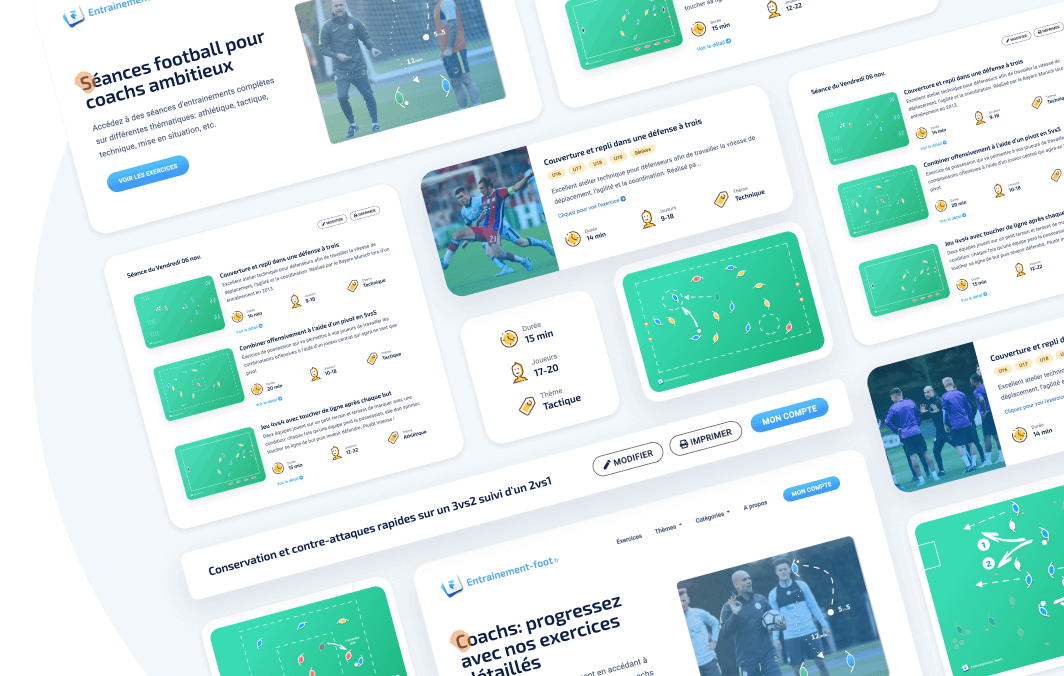
Access 500+ premium drills with diagrams inspired by pro coaches. New drills every week.
Other U.S. tracks (brief)
NFHS (High School)
If you coach in a school setting, you’ll often be guided toward NFHS Learn courses—especially Fundamentals of Coaching, plus soccer-specific education. High school coaching adds unique realities: short seasons, limited training time, and strong emphasis on safety, leadership, and school policy compliance.
United Soccer Coaches (Continuing Education)
United Soccer Coaches offers education and diplomas that many coaches use as professional development—sometimes alongside U.S. Soccer licenses. If you want extra tools, session ideas, and ongoing learning opportunities, it’s a common complement.
AYSO (Recreational Volunteer Coaching)
For volunteer and recreational environments, AYSO-style education is typically organized around age-appropriate coaching basics and minimum training standards. The emphasis is usually on safety, fun, and keeping players active.
How to choose the right pathway?
We usually tell our subscribers to ask themselves three quick questions:
1. Where do you coach right now?
- Club/competitive youth → prioritize the U.S. Soccer pathway.
- High school → follow NFHS and your local requirements.
- Rec/volunteer → follow your program’s required training (often AYSO-style).
2. What level do you want to coach in 12–24 months?
- Higher-level club soccer → plan your progression beyond Grassroots.
- High school long-term → strengthen leadership/safety frameworks and add soccer-specific learning.
- Competitive pathway + faster improvement → combine your main pathway with targeted continuing education.
3. What’s your biggest coaching problem today?
Choose education that fixes your bottleneck: session design, team organization, communication, or player development structure.
Our advice to coaches
Licenses matter, but what they’re really doing is training your ability to:
- choose a clear objective
- design activities that force the objective to appear
- manage player learning with the right feedback at the right time
- lead people, not just sessions
If you treat each course level as a “skills upgrade” (and not just a certification), you’ll get far more value from the pathway.